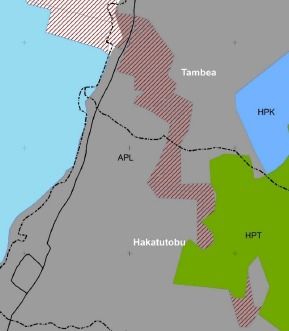
Pomalaa High Pressure Acid Leach (HPAL) Nickel Project
- Client
- PT Vale Indonesia
- Location
- Kolaka Regency, Pomalaa District, Southeast Sulawesi Province, Indonesia
- Status
- Completed
- Period
- 2020 — 2021
The Preparation of a Land Acquisition and Resettlement Action Plan (LARAP) for the Pomalaa HPAL Nickel Project was undertaken as a critical component to ensure that land acquisition processes are conducted in a structured, transparent, and socially responsible manner. The LARAP serves as a key instrument to manage potential impacts arising from land acquisition, including displacement, loss of assets, and livelihood disruptions, while ensuring fair and equitable treatment of affected communities.
This LARAP was developed in alignment with applicable Indonesian regulations as well as international standards, particularly the IFC Performance Standard 5 on Land Acquisition and Involuntary Resettlement. By integrating both national and global frameworks, the plan aims to meet compliance requirements while also adopting best practices in safeguarding the rights and well-being of affected persons.
The scope of the LARAP includes a comprehensive set of activities designed to provide an accurate and accountable basis for implementation. These include detailed census surveys to identify affected households and individuals, asset inventory and valuation processes to determine the extent of losses, and structured stakeholder consultations to ensure inclusive participation and transparency. In addition, the plan establishes a clear compensation framework that outlines eligibility criteria, entitlement matrix, and payment mechanisms in a fair and consistent manner.
Beyond compensation, the LARAP emphasizes livelihood restoration measures to support affected communities in re-establishing or improving their socio-economic conditions. This reflects a shift from a purely compensatory approach to a more sustainable development-oriented framework. The plan also incorporates a grievance redress mechanism, enabling affected stakeholders to raise concerns and seek resolution through a structured and accessible process.
Furthermore, the LARAP defines institutional arrangements and implementation strategies, including roles and responsibilities, monitoring and evaluation systems, and reporting mechanisms to ensure accountability throughout the project lifecycle. These elements are essential to ensure that the commitments outlined in the plan are effectively translated into practice.
Overall, the preparation of the LARAP for the Pomalaa HPAL Nickel Project demonstrates a strong commitment to responsible land acquisition and social risk management. It reinforces the importance of balancing project development objectives with the protection of community rights, contributing to more sustainable and socially inclusive project outcomes.
Capabilities this work demonstrates
Related projects
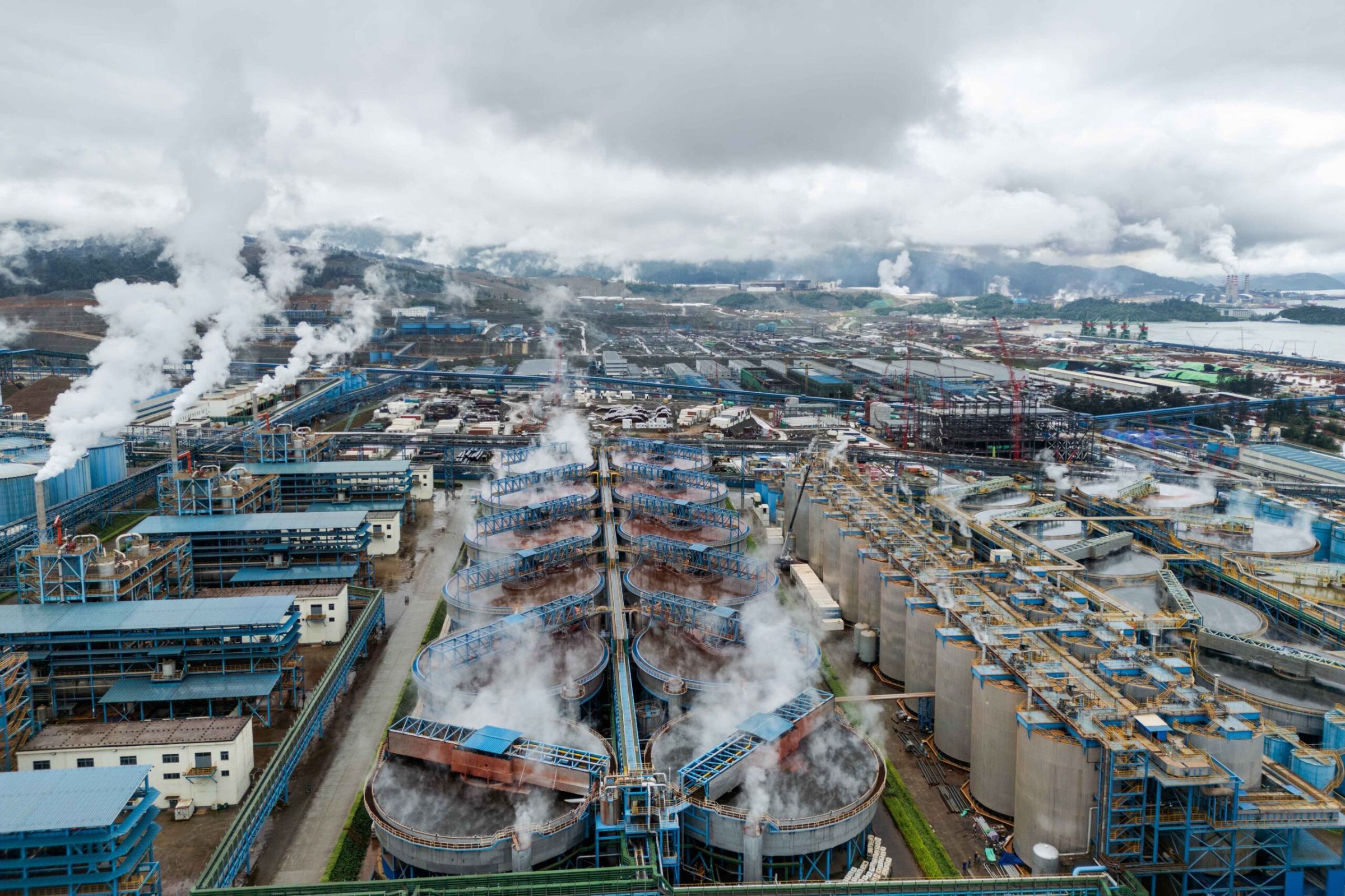
Environmental and Social Impact Assessment (ESIA) and supplementary studies in accordance with the international standards (Equator Principles and IFC Performance Standards)
2025 · PT Indonesia Huali Industry Park (IHIP) and PT Huali Nickel Indonesia (HNI) · Indonesia

Consultancy Services on Land Acquisition and Livelihood Restoration Plan (LALRP) Study for the Mentarang Induk Hydroelectric Project – Overhead Transmission Line
2024 · PT Kayan Hydropower Nusantara – a joint venture of Alamtri (Adaro Group), Sarawak Energy Berhad, and KPP Group · Indonesia
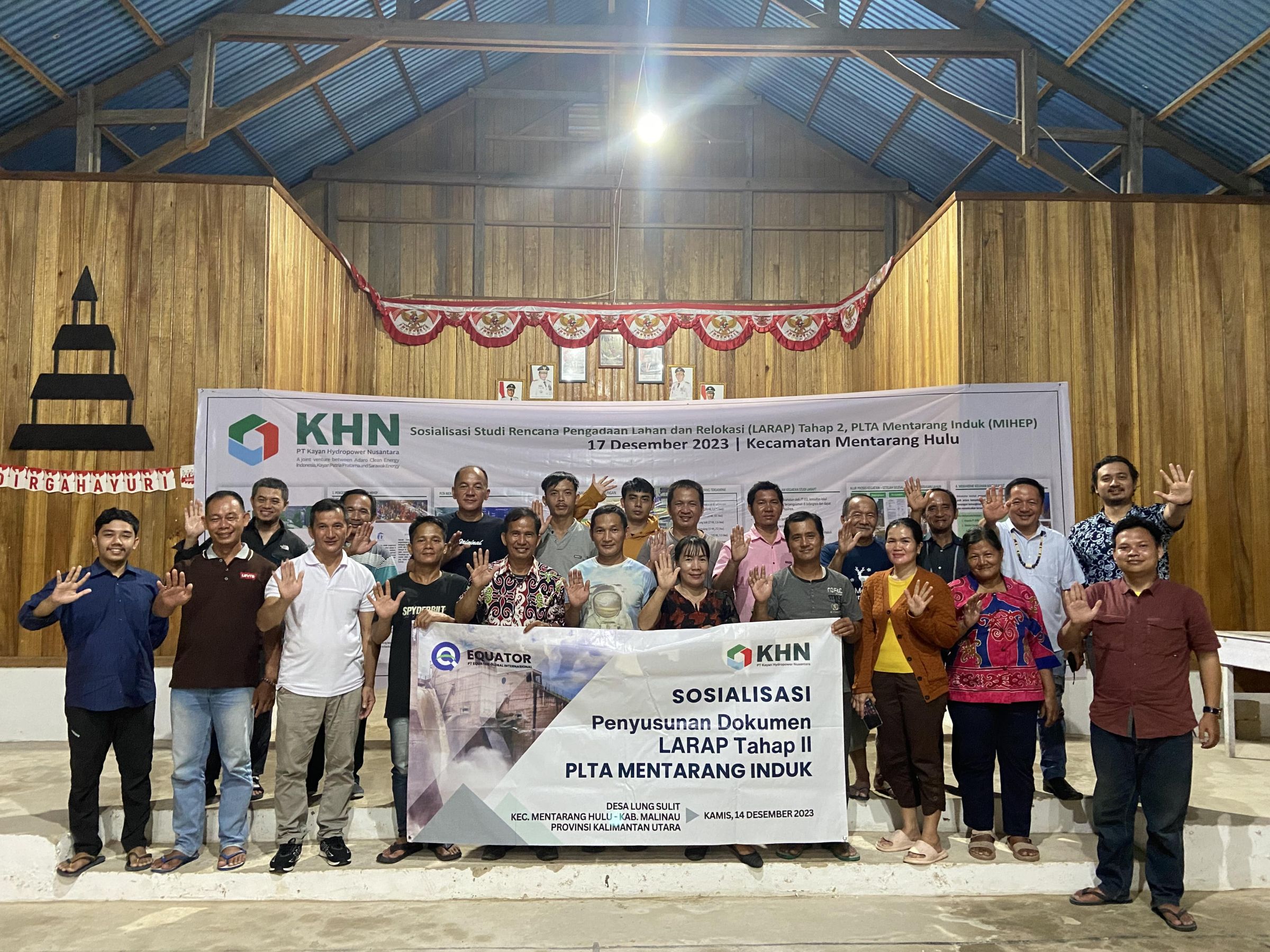
Consultancy Services on Land Acquisition and Resettlement Action Plan (LARAP) Phase II — Mentarang Induk Hydroelectric Project (MIHEP)
2023 · PT Kayan Hydropower Nusantara — a joint-venture between Alamtri Resources Indonesia/Adaro, Sarawak Energy Berhad, and KPP Group · Indonesia
Interested in a Similar Project?
Talk with our experts about solutions tailored to your project.