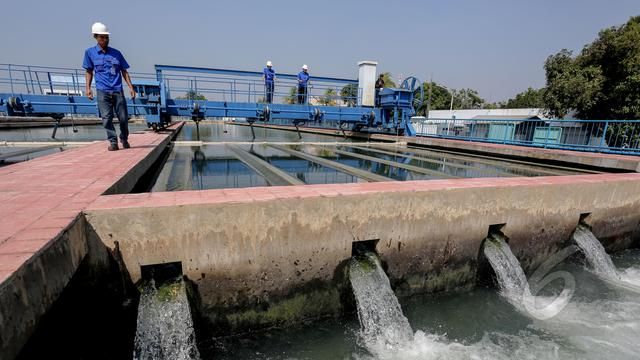
Social Safeguard, LARAP and Gender-Responsive Analysis for Raw Water Intake and Transmission Systems (Kertasari & Jatigede in West Java; Lau Simeme in North Sumatra)
- Client
- Directorate General of Human Settlements (DGHS), Directorate General of Water Resources (DGWR), MPWH
- Partner
- Oriental Consultans Global Co., Ltd. (on behalf of relevant implementing agencies)
- Location
- West Java & North Sumatra, Indonesia
- Status
- Completed
- Period
- 2022
Within the programme to strengthen raw water supply infrastructure in Indonesia—covering the Kertasari system (West Java), the Jatigede Stage II system (West Java) and the Lau Simeme reservoir / transmission system (North Sumatra)—this consultancy provides independent social safeguard, land acquisition and livelihood-restoration planning support. The assignment includes a comprehensive survey and analysis of affected land and assets, preparation of the LARAP and DPPT documents, gender-responsive analysis of community and household impacts, stakeholder engagement, asset/crop inventory (IOL), and grievance redress mechanism design.
Methodology combines field verification, demographic and socio-economic data collection (with gender-disaggregated indicators), mapping of land-use and ownership, assessment of community impacts of infrastructure intake and transmission works, and formulation of mitigation and restoration measures aligned with both Indonesian regulatory framework and international safeguard standards (for example, Asian Development Bank Safeguard Policy Statement).
Outputs include:
Detailed LARAP reports and a DPPT (Land Acquisition Planning Document) for each system (Kertasari, Jatigede, Lau Simeme)
Gender-responsive analysis report integrating the impacts on women, vulnerable groups and decision-making processes at household level
Stakeholder engagement and grievance redress mechanism framework
Socio-economic baseline and inventory of losses (land, buildings, crops)
Strategic recommendations to support safe, equitable and sustainable implementation of the raw-water infrastructure investments
This work supports the aim of ensuring that the raw-water intake and transmission systems are not only technically and financially viable, but also socially responsible—ensuring fair compensation, livelihood restoration, gender equity, community participation and minimal negative social impacts.
Capabilities this work demonstrates
Related projects
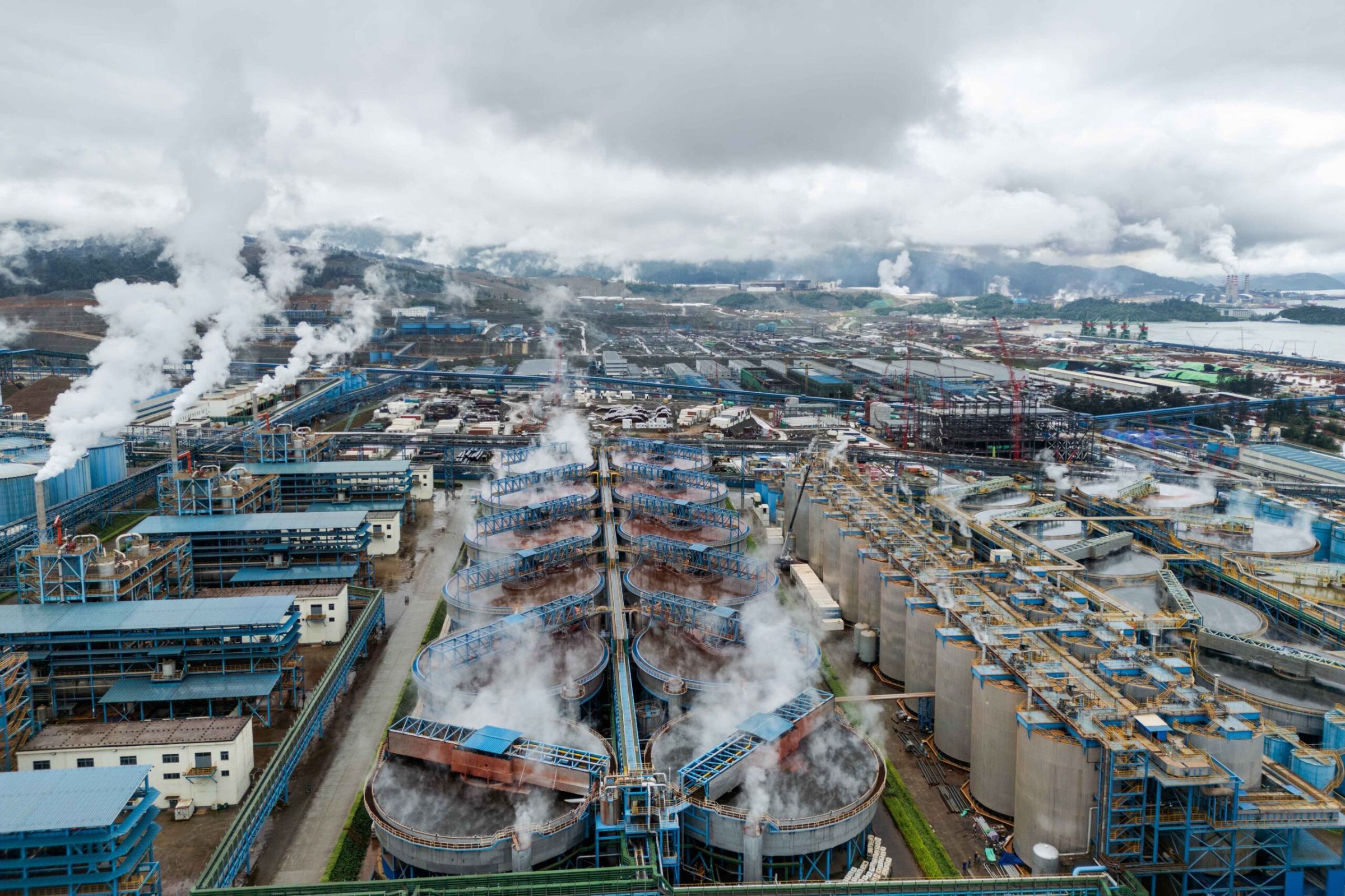
Environmental and Social Impact Assessment (ESIA) and supplementary studies in accordance with the international standards (Equator Principles and IFC Performance Standards)
2025 · PT Indonesia Huali Industry Park (IHIP) and PT Huali Nickel Indonesia (HNI) · Indonesia
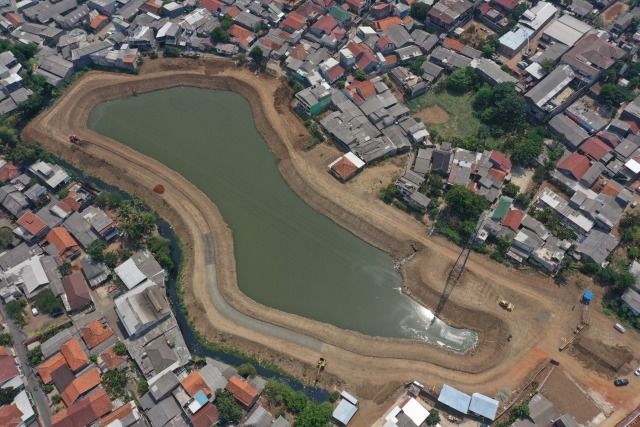
Preparation of Land Acquisition Planning Document (DPPT) and Feasibility Study for Kebagusan (South Jakarta), Jati Kramat (East Jakarta), and Duren Tiga (South Jakarta) Reservoir Development
2025 · Department of Water Resources (Dinas SDA), Provincial Government of DKI Jakarta · Indonesia
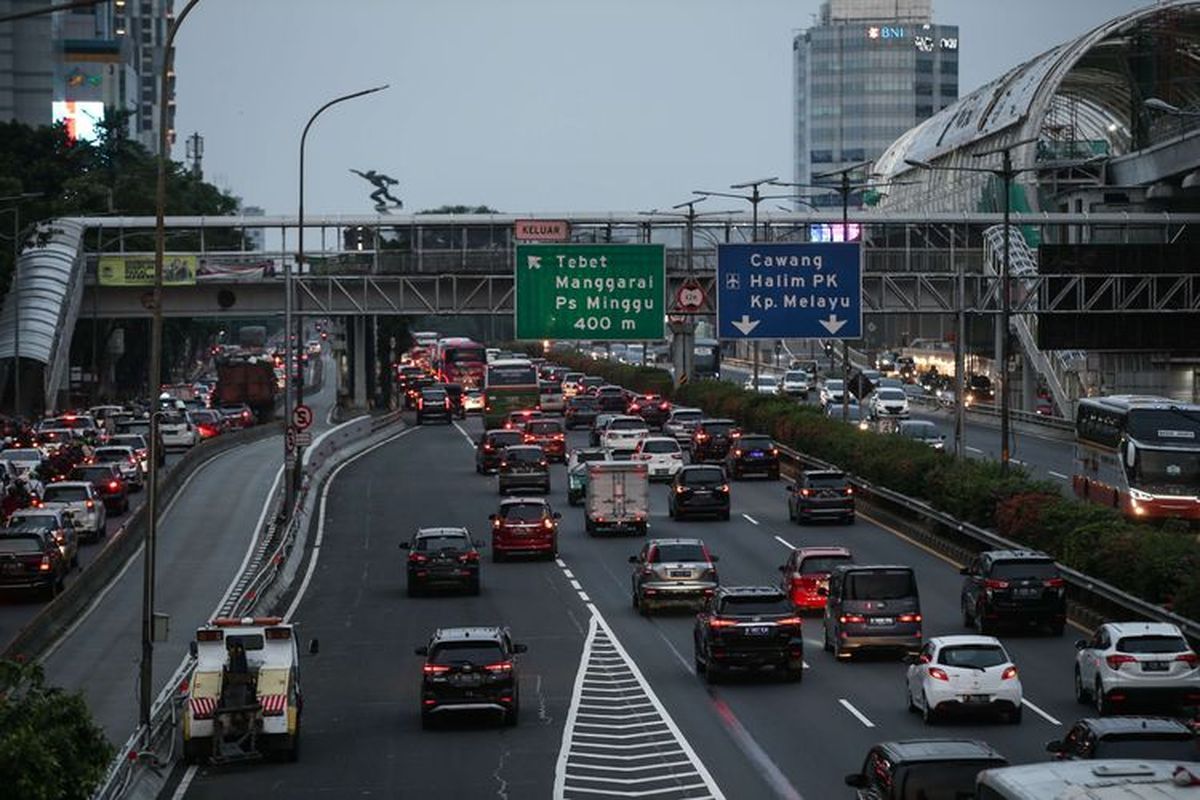
Consultancy Services for the Preparation of DP3 (Dokumen Proposal Proyek Prakarsa) – Pluit to Airport Toll Road (Pluit–Bandara) and Utilities
2024 · PT Citra Marga Nusaphala Persada Tbk (CMNP) · Indonesia
Interested in a Similar Project?
Talk with our experts about solutions tailored to your project.