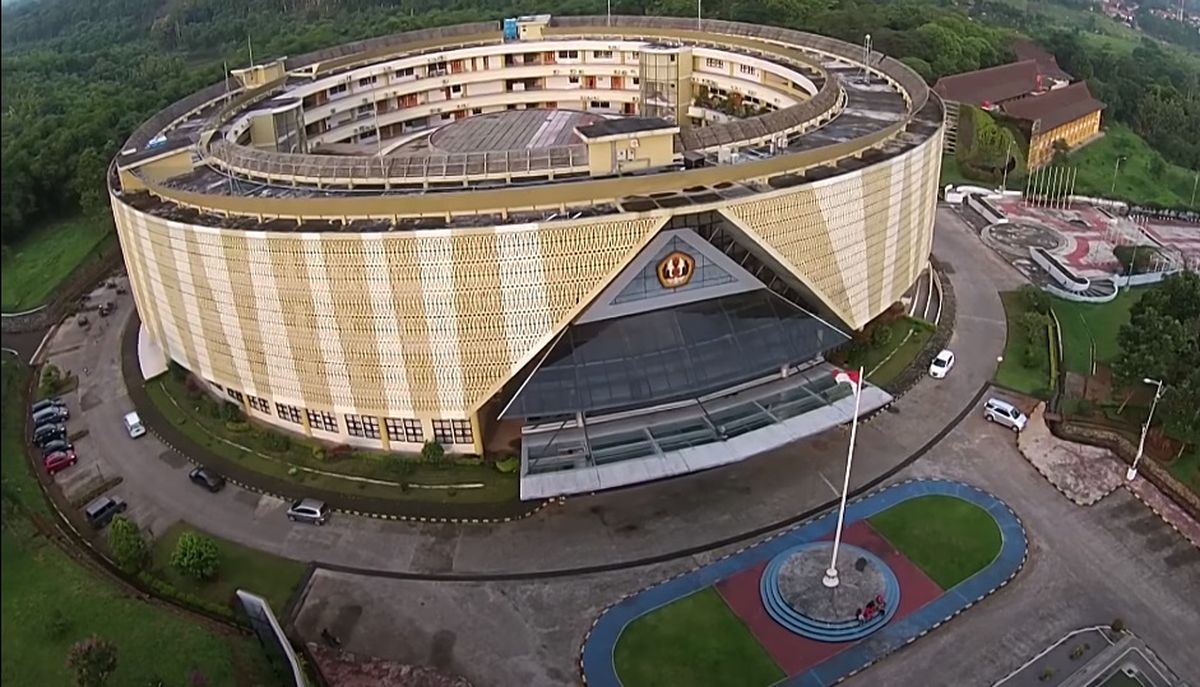
Environmental and Social Impact Assessment (ESIA) and Environmental and Social Management Plan (ESMP) for the Academic Health System Development - Padjajaran University
- Client
- Padjajaran University (UNPAD)
- Location
- Jatinangor, Sumedang Regency, West Java, Indonesia
- Status
- Ongoing
- Period
- 2026
Project Overview
Universitas Padjadjaran is developing an Academic Health System at its Jatinangor campus in Sumedang Regency, West Java. The development transforms the existing teaching hospital (RSPTN Unpad) into the clinical and research core of an integrated academic health system. It includes four new clinical and research buildings with a combined gross floor area of approximately 48,600 m², the replacement of existing utility facilities, and the development of supporting site infrastructure. The project occupies approximately 6.3 hectares, including a protected campus forest and arboretum.
The new buildings will accommodate outpatient and inpatient services, clinical trials, tuberculosis and infectious disease research, vaccine development, nuclear medicine, radiotherapy, and haemodialysis. All four buildings will be constructed simultaneously alongside a fully operational hospital. The development introduces additional environmental, health, and safety risks associated with therapeutic radiation, radioactive materials, cytotoxic pharmaceuticals, and contained biological research. Financed through a loan from the Asian Infrastructure Investment Bank (AIIB), the project must comply with both Indonesian environmental regulations and the AIIB Environmental and Social Framework (ESF).
The engagement covers the preparation of an Abbreviated Environmental and Social Impact Assessment and Environmental and Social Management Plan (ESIA–ESMP). The assessment builds on the hospital's existing environmental permits and studies and is coordinated with the institution's separate AMDAL, detailed engineering design, and traffic study workstreams to ensure consistency across baseline data, impact assessments, and management measures.
Scope of Work
Project description and area-of-influence assessment covering the pre-construction, construction, and operational phases of all four buildings and their supporting utilities.
Legal framework review and gap analysis between Indonesian regulations and the AIIB ESF, including compliance mapping against the AIIB Terms of Reference.
Screening of Associated Facilities, including water supply, wastewater treatment, and hazardous and medical waste transportation routes.
Environmental baseline assessment covering air quality, noise and vibration, groundwater and surface water, existing wastewater and waste management systems, biodiversity and critical habitat screening, land use, and cultural heritage.
Socio-economic, cultural, and community health baseline assessment, including gender, local labour, land tenure, and informal traders around the campus.
Healthcare Facility Screening and Assessment, including receptors and exposure pathways, healthcare waste projections, hazardous materials, and the capacity of existing environmental infrastructure.
Environmental and social risk and impact assessment covering cumulative effects, occupational and community health and safety, labour and working conditions, labour influx, and vulnerable groups.
Land Acquisition and Resettlement Due Diligence (LARDD), integrated into the ESIA.
Gender Assessment and Gender Action Plan, including prevention and response measures for gender-based violence (GBV) and sexual exploitation, abuse, and sexual harassment (SEAH).
Stakeholder Engagement Plan (SEP) and Grievance Redress Mechanism (GRM), integrated with existing university, hospital, and village channels, including confidential GBV/SEAH reporting pathways and a worker grievance mechanism.
Emergency Preparedness and Response planning, together with a Healthcare Waste and Infection Control Management Plan.
Climate risk analysis and greenhouse gas (GHG) assessment, including climate adaptation and low-carbon measures.
Environmental and Social Management Plan (ESMP), including mitigation and monitoring matrices, a Contractor Environmental and Social Management Plan (C-ESMP) framework, institutional arrangements, capacity building, and implementation cost estimates.
Technical Highlights
Risk assessment for the simultaneous construction of multiple buildings within a fully operational hospital, covering noise, dust, vibration, traffic, and infection control.
Assessment of existing utility capacity to meet projected demand for water supply, wastewater treatment, medical waste management, and hazardous waste disposal.
Design-stage environmental and social safeguards for research, nuclear medicine, and radiotherapy facilities, including biological risk management and radiation protection.
Development of risk mitigation measures and environmental and social requirements for direct incorporation into tender documents and construction contracts.
Preparation of supporting management plans covering labour, traffic, medical waste, infection control, and emergency response.
Preparation of documentation in Indonesian and English, including revisions based on feedback from the university's Project Implementation Unit (PIU) and AIIB.
Deliverables
Final Abbreviated ESIA–ESMP, incorporating the Stakeholder Engagement Plan (SEP), Grievance Redress Mechanism (GRM), Gender Action Plan, Land Acquisition and Resettlement Due Diligence (LARDD), Contractor ESMP (C-ESMP) framework, Labour Management Plan, Traffic Management Plan, and GHG assessment, revised through the AIIB review process until final approval.
Capabilities this work demonstrates
Environmental and Social Impact Assessment (ESIA)
Stakeholder Engagement Plan (SEP)
Grievance Redress Mechanism (GRM)
Environmental and Social Management Plan (ESMP)
Related projects
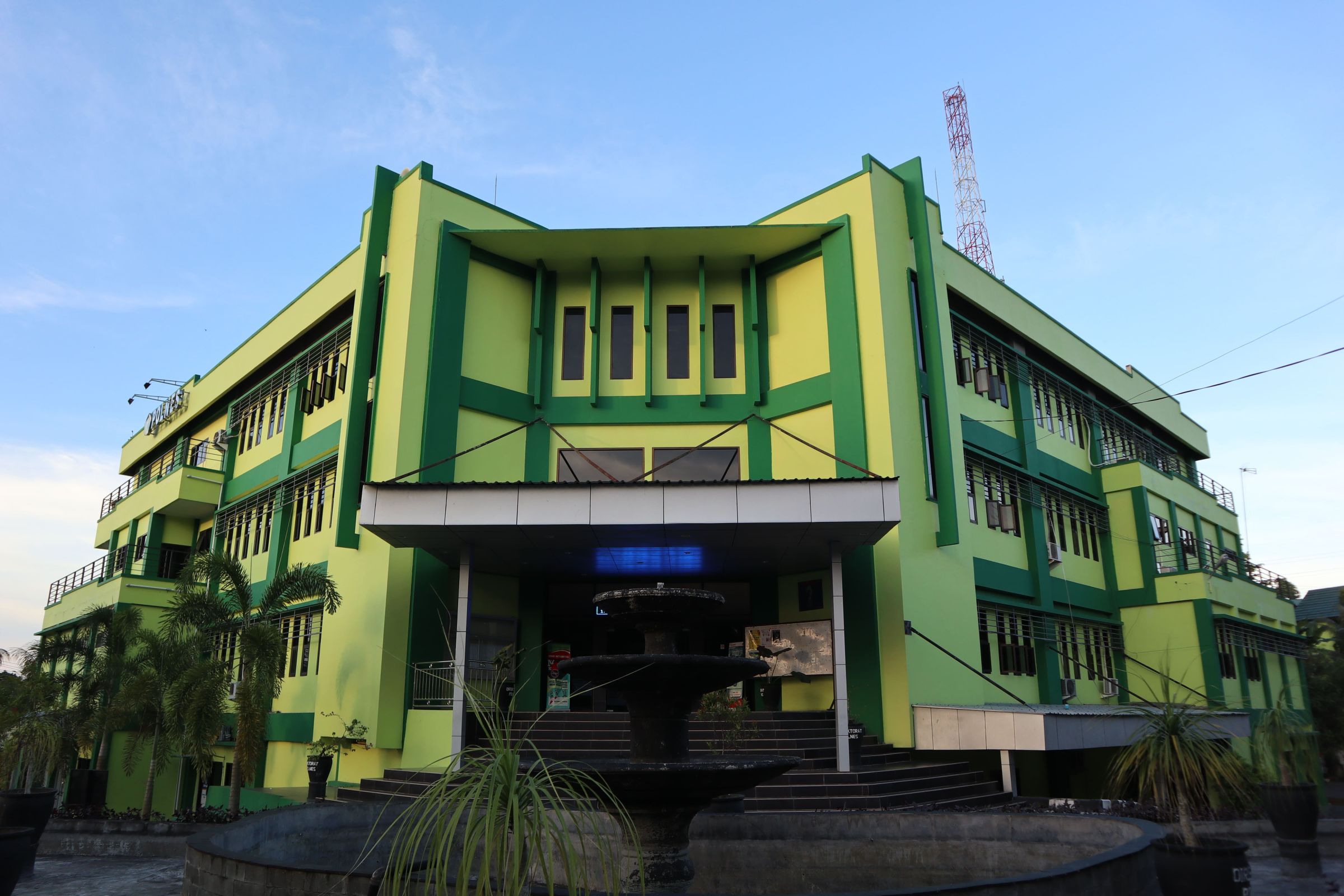
Environmental and Social Safeguard Studies for the Integrated Laboratory and Integrated Workshop Buildings, Politeknik Negeri Samarinda
2026 · Politeknik Negeri Samarinda · Indonesia
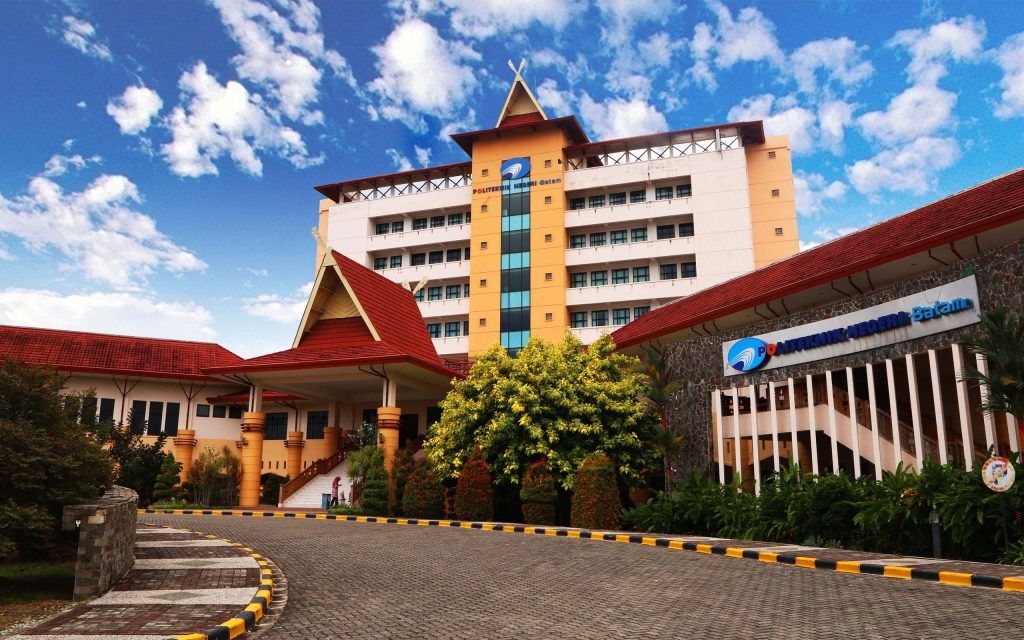
ESIA-ESMP & AMDAL for the Technovation Tower and Hub (TECXSA), Politeknik Negeri Batam
2026 · Politeknik Negeri Batam · Indonesia

Environmental and Social Impact Assessment (ESIA) - Environmental Management Planning Consultancy (ESMP) & Environmental Impact Analysis (AMDAL) - RSJ Dr. Radjiman Wediodiningrat
2026 · RSJ Dr. Radjiman Wediodiningrat Kemenkes - AIIB · Indonesia
Interested in a Similar Project?
Talk with our experts about solutions tailored to your project.