
Project Details
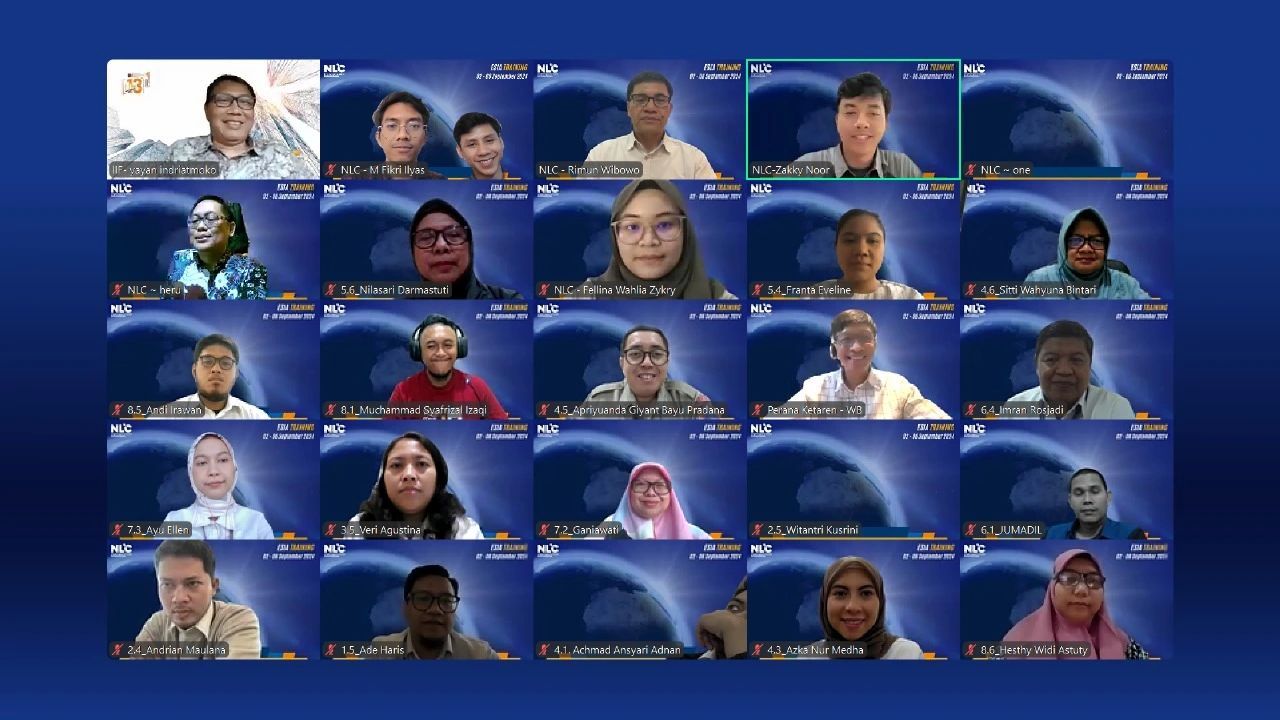
ESIA Training Batch II
The ESIA Training Batch II was successfully conducted as a public training program from 2–6 September 2024, delivered through an online platform to ensure broad accessibility and participation. This batch saw a significant increase in interest, with 52 participants joining from a diverse range of institutions, including BPDLH, BNPB, PLN, IKI, various consulting organizations, as well as independent professionals. The diversity of participants highlighted the growing awareness and demand for strengthened environmental and social governance across sectors in Indonesia.
The training was designed to deepen participants’ understanding and practical application of Environmental and Social Impact Assessment (ESIA), with a strong emphasis on aligning practices with international standards. Throughout the five-day program, participants were exposed to comprehensive materials covering ESIA frameworks, risk assessment methodologies, stakeholder engagement strategies, and mitigation planning. Insights from international financial institutions were integrated into the sessions, providing participants with a global perspective on compliance requirements and best practices.
A distinguishing feature of this batch was the involvement of experienced practitioners who shared real-world case studies and lessons learned from project implementation. These practical insights enabled participants to bridge the gap between theory and practice, equipping them with actionable knowledge that can be directly applied in their professional roles.
The program also created a dynamic learning environment through interactive discussions and knowledge-sharing sessions. Participants actively contributed perspectives from their respective sectors, enriching the overall discourse and fostering cross-sector collaboration. This exchange of ideas played a crucial role in strengthening collective understanding of ESIA challenges and opportunities.
Overall, ESIA Training Batch II was successfully completed, further reinforcing the importance of integrating environmental and social considerations into development projects. The program not only enhanced technical capacity but also supported the development of a more informed and collaborative ESIA community across different industries.